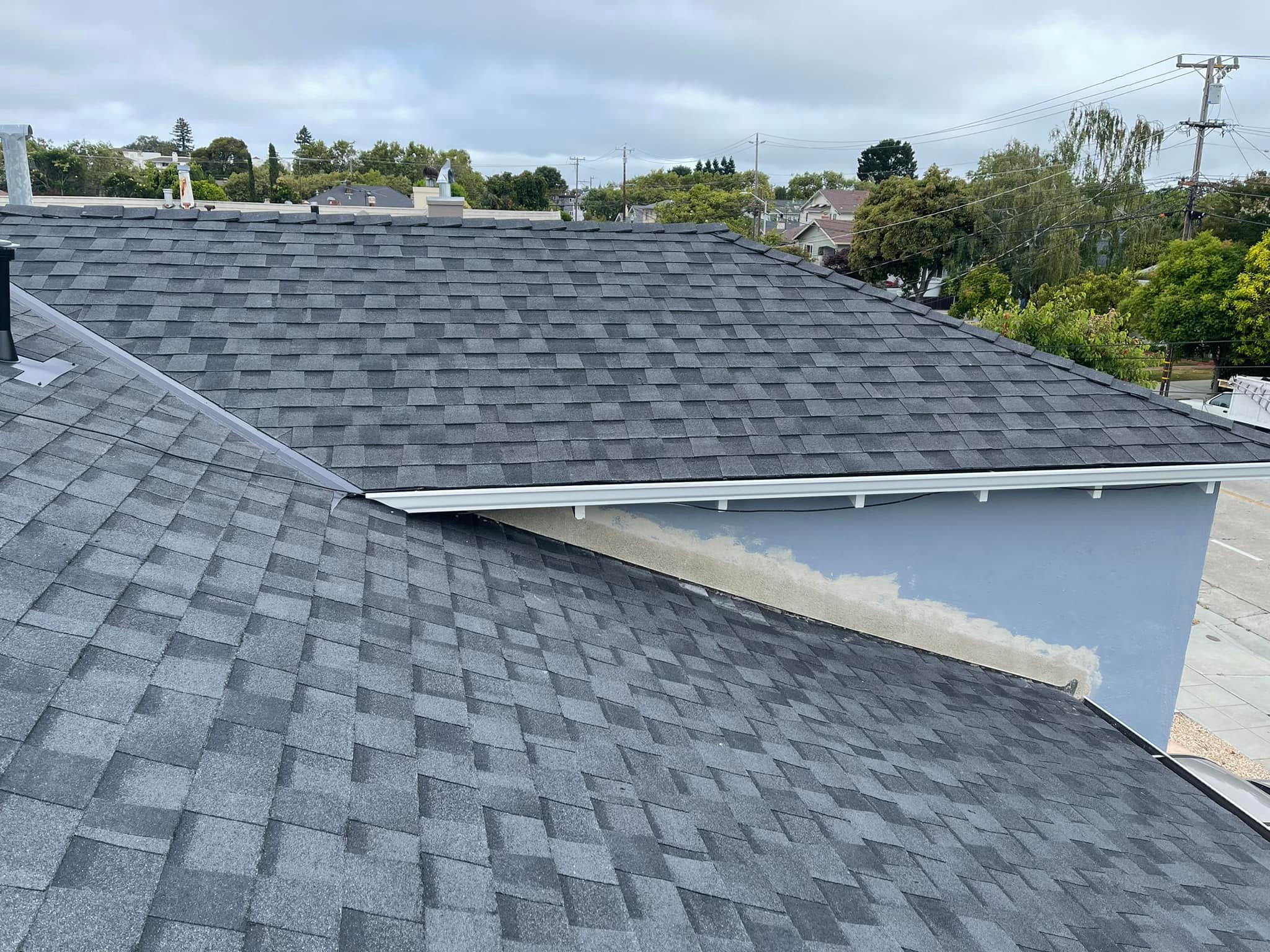
How to Prepare Your Bay Area Roof for the Rainy Season Jun 25, 2026
First and foremost, start with a thorough inspection of your roof. This is essential to identify any existing damage or potential weak spots that could cause leaks during a downpour. Look for missing, cracked, or curled shingles, as these are common culprits for water penetration. If climbing onto your roof is not feasible, use binoculars to scan it from the ground, or better yet, enlist the help of professionals like Bay Area Five Star Roofing for a comprehensive assessment.
Secondly, clean your gutters and downspouts. Clogged gutters can cause water to pool and damage your roof or even your home's foundation. Remove leaves, twigs, and other debris to ensure water flows freely. Check that your downspouts direct water away from your home. This task is particularly important in the Bay Area, where leaves from nearby trees can accumulate quickly.
The next crucial step is addressing any roof flashing issues. Flashing is the metal or other material used to direct water away from critical areas like chimneys and vents. Damaged or improperly installed flashing can lead to leaks. Inspect these areas carefully and replace any rusted or bent flashing. Again, if you're unsure about this process, a roofing specialist can provide expert assistance.
Don't overlook the importance of attic ventilation. Proper ventilation prevents moisture buildup, which can lead to mold growth and wood rot. Check for any signs of moisture or mold in your attic and ensure vents are unobstructed. Adequate ventilation maintains a balanced temperature, preserving the integrity of your roof during fluctuating weather conditions typical of the Bay Area.
Sealing any potential leaks is also vital. Use caulk or a waterproof sealant around areas prone to leakage, such as around skylights, vents, and chimneys. This preventive measure helps keep your home dry and comfortable throughout the rainy months.
In addition to these steps, consider trimming overhanging tree branches near your roof. During storms, these branches can break and cause significant damage. This proactive measure not only protects your roof but also enhances your home's safety overall.
Finally, ensure your roof is compliant with local building codes, as these are designed to handle specific weather conditions in the Bay Area. Consult with professionals to confirm that your roof meets these standards and can withstand heavy rains and winds.
In conclusion, preparing your Bay Area roof for the rainy season involves a few key actions: conducting a thorough inspection, cleaning gutters, fixing flashing issues, ensuring proper attic ventilation, sealing potential leaks, trimming nearby trees, and confirming code compliance. By taking these steps, you'll protect your home from weather-related issues and enjoy peace of mind throughout the stormy season. Trust Bay Area Five Star Roofing to guide you through the process, providing expert advice and services to keep your roof in top condition.
/filters:no_upscale()/filters:format(webp)/media/e773281c-761c-468a-a5f6-9217e998b855.jpg)
/filters:no_upscale()/filters:format(webp)/media/c00381d3-bcfb-4214-97e1-5e72ad58e766.jpg)